Remove Adhesive Glue
How to Remove Adhesive, Glue & Sticker Residue
Removing stubborn adhesive, glue, or sticker residue can be challenging once it has cured. However, using the right technique and solvent makes the process quick and easy without damaging your surfaces.
⏱️ Quick Summary: The Fastest Way to Remove Adhesive
For most everyday sticker and glue residues, follow these three steps:
- Soften: Apply a specialized remover like Adisolve or a household solvent (like rubbing alcohol).
- Wait: Let it sit for 2–3 minutes to deactivate the chemical bonds.
- Wipe: Gently scrape or wipe away the softened residue with a microfiber cloth.
Quick Links:
- What is Adisolve adhesive and glue remover spray?
- Guide on how to remove adhesives
- Remove adhesive from specific items
- Ideal surface preparation spray
- Frequently asked questions about remove adhesive glue
What is Adisolve adhesive and glue remover spray?
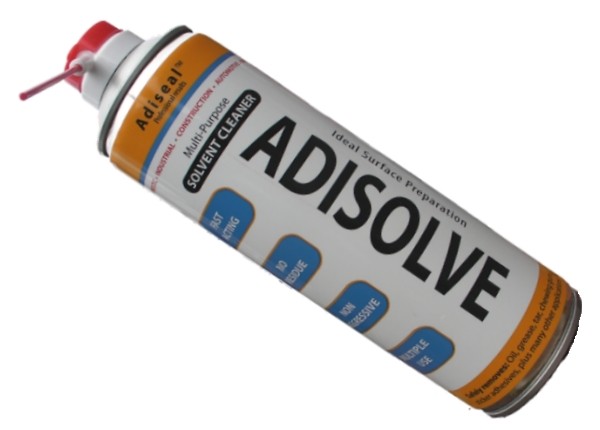
While household remedies work for minor sticky spots, demanding industrial or commercial tasks require a heavy-duty, multi-purpose solvent spray. Adisolve (available in convenient 500ml aerosol cans) is specifically engineered to target and break down the sticky polymer matrix directly.
Why Professionals Choose Adisolve:
- Fast Acting: Begins deactivating chemical bonds and polymers immediately upon contact.
- Leaves Zero Residue: Evaporates completely clean without leaving a greasy or oily film.
- Non-Aggressive Formula: Delivers maximum breaking strength against cured glue while remaining gentle on the base material.
- Versatile 5-in-1 Action: Functions perfectly as an adhesive remover, glue remover, sealant remover, solvent cleaner, and industrial degreasing spray.
Adisolve is available in 500 ml aerosol cans.
Direct Comparison: Adisolve vs. Traditional DIY Solvents
| Feature / Solvent | Adisolve | Acetone (Nail Polish Remover) | Isopropyl Alcohol |
| Safe on Plastics | Yes (Spot test advised) | No (Melts/warps plastic) | Yes (Most plastics) |
| Leaves Greasy Film | No (Clean evaporation) | No | No |
| Tackles Cured Tar/Glue | Yes (Industrial strength) | Yes (But highly aggressive) | No (Only minor residues) |
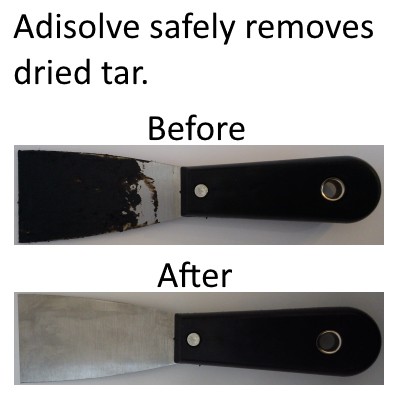
Watch how a professional solvent cleaner deactivates tough, dried-on substances without damaging the underlying material:
Guide on how to remove adhesives
How to remove adhesive
- Safety Note Before You Begin
Always apply chemical solvents in a well-ventilated area to prevent fume build-up, and wear protective gloves if you have sensitive skin. Wash your hands thoroughly with warm, soapy water immediately after handling.
- Identify and Prep the Surface Material
Before applying any chemical solvent, you must consider your base surface to prevent permanent damage:
1. Glass & Metal: Highly resilient. You can use stronger solvents like acetone, isopropyl alcohol, or commercial adhesive removers.
2. Plastics: Highly sensitive to harsh chemicals. Avoid acetone, as it can melt, warp, or permanently cloud certain plastics. Stick to safe formulas like Adisolve.
3. Wood & Fabric: Finished wood can strip easily, and fabrics can bleed. Always use a dedicated, non-aggressive solvent. - Choose Your Solvent or Remover
1. Depending on whether the adhesive is water-based or solvent-based, select the correct tool:
Adisolve: The ideal option for old, cured, solvent-based adhesives. It breaks down the glue quickly while keeping underlying surfaces safe.
2. Isopropyl Alcohol (Rubbing Alcohol): Excellent for breaking down sticky tape residue on glass and electronics.
3. White Vinegar: A natural, non-toxic alternative perfect for lighter, water-based glues. - Use Heat (Optional Hook for Tapes)
If you are dealing with stubborn adhesive tape or thick labels, use a hair dryer to gently apply heat for 30 seconds. This softens the backing and allows the solvent to penetrate deeper.
- Apply, Dwell, and Agitate
1. Spray a small amount of Adisolve or your chosen solvent directly onto the sticky area.
2. Allow it to sit for 2 to 5 minutes so it can penetrate and completely deactivate the cured glue bonds.
3. Use a plastic scraper, an old credit card, or a coarse microfiber cloth to gently lift and wipe away the softened residue.
4. Clean the area thoroughly with warm, soapy water to wash away any remaining chemical film.
5. Note: For exceptionally thick, stubborn layers of cured adhesive, simply repeat the process.
Remove adhesive from specific items
In this section we will look at using Adisolve to remove glue or adhesive from specific items.
Glass Glue & Sticker Residue
Adisolve is an ideal glue remover for windows, windscreens, and glassware.
- Carefully score or mark the sticker or dried glue with a utility knife before spraying. This allows Adisolve to rapidly penetrate the core of the adhesive rather than sitting on a non-porous top layer.
- Spray and wait a few minutes for deactivation.
- The Safe Removal Process: Once the adhesive has completely deactivated, do not use aggressive metal blades or screwdrivers which can gouge the surface. Instead, carefully lift the softened mass away using a plastic putty knife, a specialized glass scraper, or an old plastic credit card, then wipe the area clean with a coarse microfiber cloth.
Plastics
To safely remove glue from plastic without melting or discolouring the material, always test the spray on a small, hidden area first. Once confirmed safe, spray Adisolve onto the glue, allow it a few minutes to break down the bond, and gently scrape it clean using a plastic putty knife.
Fabrics & Clothes
Whether dealing with spilled craft glue or sticky label residue on clothing, Adisolve can help save the fabric.
- Important: Always test a small, inconspicuous area (like an interior seam) first to check for colorfastness or bleaching.
- Spray the spot lightly, let it deactivate the glue, and use a coarse cloth to lift the residue away from the fibers. Once the residue is lifted, always launder the clothing or fabric immediately. Laundering washes out the dissolved adhesive particles and ensures the solvent does not sit within the textile fibers long-term.
uPVC Window Frames
Silicone & Sealant Residue: Removing old silicone during a window replacement can be incredibly tedious. Adisolve is highly popular for cleaning uPVC window frames because it breaks down stubborn solvent-based sealant residue without discolouring or melting the delicate plastic trim.
Ideal surface preparation spray
Beyond its primary function as an elite adhesive remover, Adisolve works brilliantly as a high-performance surface preparation spray. Because it evaporates cleanly and leaves no film, it is widely used to remove stubborn deposits of:
- Oil, grease, and grime
- Heavy dirt build-up
- Cured solvent-based sealants (such as stubborn silicone sealant)
Where to buy
In the UK, Adiseal products can be purchased from Adiseal stockists. Please contact us for details of your local stockist.
Frequently asked questions about remove adhesive glue
Because Adisolve is engineered to be highly effective yet non-aggressive, it is safe for use on most common surfaces. However, for sensitive materials, always test a small amount on an inconspicuous area first.
Adisolve is formulated to deactivate and break down solvent-based glues, tapes, and adhesives. It may be less effective on water-based formulas or purely mechanical, two-part epoxies.
Always use Adisolve in a well-ventilated area to prevent fume build-up. Wash your hands thoroughly after use, and read the safety section on the back of the aerosol can for complete details.
No. Acetone will dissolve or warp many types of plastics and strip varnished wood. Rubbing alcohol is safer but can still discolour delicate finishes. Always spot-test alternative solvents first.
Suhail Matadar

Suhail Matadar has extensive experience in the construction industry as an electrician, involved in installing, inspecting, and testing electrical systems in various projects. He excelled in sales, working for a major UK wholesaler, selling construction products to professionals and the DIY market. Suhail's background includes working at a leading home emergency repair company dealing with trades people. With a BEng (Hons) degree in Electronic Engineering, Suhail has worked with PLCs in the nuclear fuel manufacturing industry. During his studies, he gained practical experience at a chemical manufacturing company known for producing award-winning cleaning, hygiene, and livestock protection products for over a century. Currently, Suhail runs a global business specialising in supplying, researching, testing, and distributing construction products like adhesives, sealants and drill bits.